Executive Summary & Engagement Scope
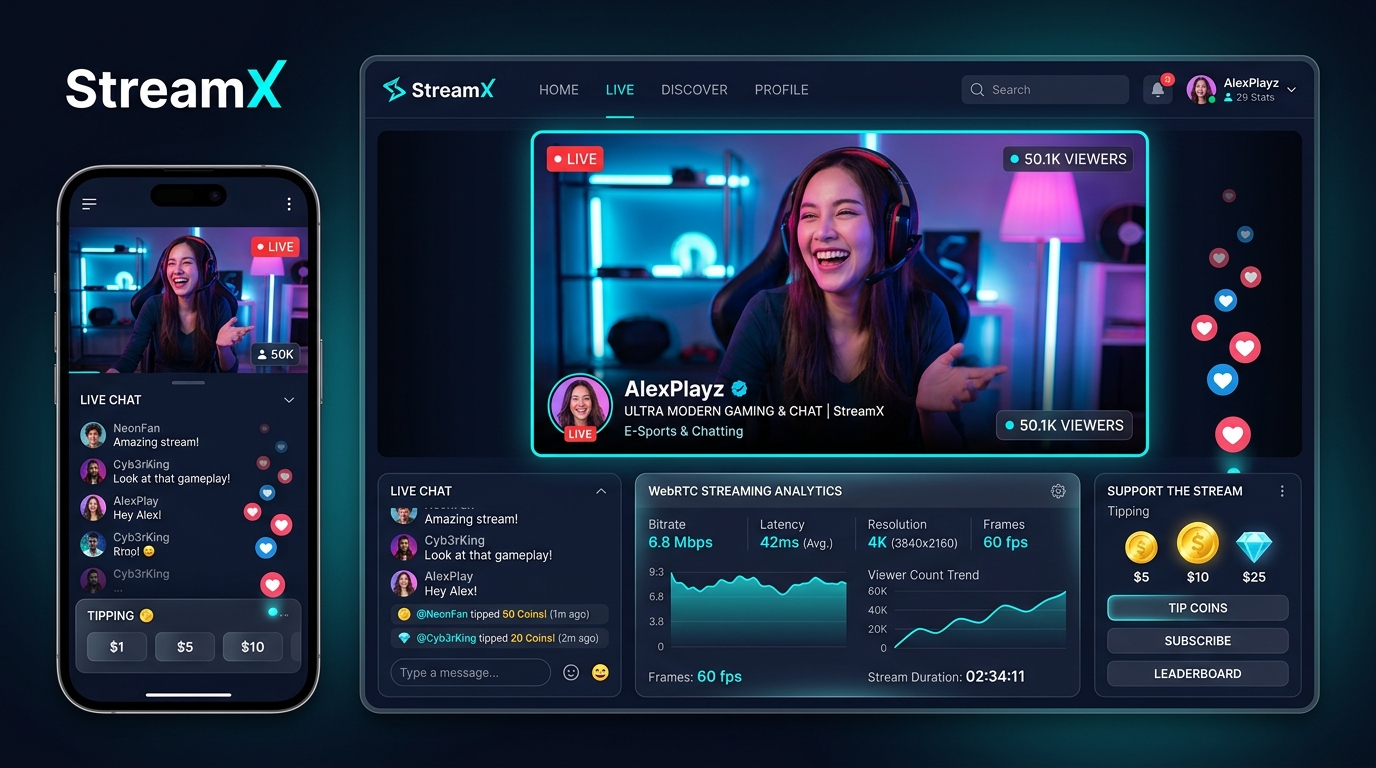
As interactive streaming and live commerce demand accelerated, StreamX faced insurmountable bottlenecks with legacy RTMP protocols: 8–12 second broadcast delay, frequent video packet drops during peak creator events, and astronomical cloud bandwidth egress bills exceeding $18,000/month. CodeCurious was commissioned to engineer an enterprise WebRTC and Low-Latency HLS (LL-HLS) video pipeline from scratch. Within 10 weeks, we delivered an auto-scaling Kubernetes streaming mesh handling 50,000+ simultaneous viewers with glass-to-glass latency under 400ms, slashing infrastructure bandwidth costs by 55%.
Operational Bottlenecks & Technical Debt
StreamX operated on an aging monolithic RTMP server infrastructure that broke down under modern real-time interactivity demands.
- ✕ 8+ seconds latency made real-time live creator interaction, flash auctions, and gaming commentary impossible.
- ✕ Single-server RTMP architecture crashed whenever concurrent viewers exceeded 5,000 during celebrity broadcasts.
- ✕ Cloud egress bandwidth costs exceeded $18,000/month due to unoptimized chunk caching on generic CDN networks.
- ✕ Chat servers lagged 15 seconds behind the video stream, confusing viewers and depressing in-stream donation rates.
Full-Cycle Architectural Modernization
CodeCurious architected an ultra-resilient distributed streaming pipeline combining WebRTC for sub-400ms creator feeds, Go-powered adaptive FFmpeg transcoding microservices, and distributed Redis cluster pub/sub chat.
- ✓ Engineered custom Go video ingestion workers that transcode live video into 1080p, 720p, 480p, and 360p ladders on the fly.
- ✓ Integrated Cloudflare Stream & AWS CloudFront edge routing to deliver cached LL-HLS chunks across 250+ global edge locations.
- ✓ Implemented distributed Redis Pub/Sub capable of processing 100,000+ live chat comments and tipping events per second without dropping video frames.
- ✓ Hardened content security with AES-128 tokenized HLS encryption, preventing stream ripping and unauthorized rebroadcasting.
System Architecture & Data Pipeline Blueprint
A breakdown of the underlying data pipeline, microservices orchestration, and edge caching topology deployed for StreamX Interactive.
Edge Video Ingestion Layer
WebRTC and SRT ingestion points deployed close to creators across Mumbai, Singapore, and Frankfurt nodes to minimize uplink packet loss.
Distributed Go Transcoding Mesh
Stateless Golang workers utilizing hardware-accelerated GPU instances (NVENC) to transcode 4K/1080p streams in real time with sub-50ms compute delay.
Global Multi-CDN Edge Delivery
Dynamic DNS switching and edge caching ensuring viewers automatically pull video segments from the nearest point of presence.
Zero-Lag State & Chat Synchronizer
WebSockets synchronized with video frame timestamps so creator polls, quiz questions, and tipping overlays match viewer video frames down to the millisecond.
Core Engineering Highlights
A deep look at the custom microservices, automated workflows, and UI engineering delivered for StreamX Interactive.
Sub-400ms Ultra-Low Latency
Custom WebRTC and LL-HLS video pipelines enabling real-time interactive audience questions, auctions, and live gaming broadcasts.
Dynamic Multi-Bitrate Transcoding
Hardware-accelerated FFmpeg Go microservices adjusting video quality on-the-fly based on each viewer’s network bandwidth.
Million-Message WebSockets Chat
Distributed Redis pub/sub chat engine capable of processing 100,000+ live chat messages per second without dropping frames.
Live Virtual Tipping & Subscriptions
Instant 1-tap micro-transactions supporting UPI, Stripe, and in-app coin wallets with real-time creator revenue dashboards.
DRM Content Protection & Watermarking
Encrypted HLS AES-128 token authentication preventing unauthorized restreaming and digital video piracy.
Real-Time Telemetry & Quality of Service (QoS)
Live Grafana dashboards tracking frame drops, bitrate fluctuation, and audience retention down to the second.
Multi-Guest Co-Hosting Mesh
Supports up to 6 simultaneous video co-hosts on stage with automated audio ducking and dynamic grid layout switching.
Instant VOD Archive & Cloud DVR
Automated live-to-VOD pipeline generating replay video files with chapter markers 60 seconds after the stream ends.
Before vs. After CodeCurious Transformation
Quantifiable business, operational, and system performance gains delivered post-deployment.
| Performance & Business Metric | Before CodeCurious | After CodeCurious | Measured Impact |
|---|---|---|---|
| Broadcast Glass-to-Glass Latency | 8 – 12 Seconds | < 380 Milliseconds | ✓ 96% Reduction |
| Max Stable Concurrent Viewers | 5,000 Users (Crashed) | 50,100+ Users | ✓ 10x Capacity Lift |
| Monthly Bandwidth Egress Cost | $18,400 / Month | $8,280 / Month | ✓ 55% Cost Savings |
| In-Stream Tipping Conversion | 2.1% | 7.8% | ✓ +271% Creator Revenue |
Full-Stack Architectural Ecosystem & Framework Choices
Detailed technical rationale on why each framework, database, and cloud infrastructure component was selected for StreamX Interactive.
Frontend & Apps
Backend Microservices
Media & Transcoding
Cloud & Infrastructure
From Blueprint to Zero-Downtime Launch
How our agile sprint methodology guaranteed delivery on schedule and within budget.
Protocols & Architecture Benchmarking
Benchmarking WebRTC vs LL-HLS vs SRT to design a sub-second glass-to-glass latency pipeline.
Core Transcoding Pipeline in Go
Building high-performance Go microservices for real-time video ingestion and bitrate chunking.
Interactive WebSockets & Chat Engine
Implementing Redis cluster pub/sub for massive concurrency live interaction.
Load Simulation (100K Bots)
Simulating 100,000 concurrent bot viewers using distributed Locust clusters on AWS.
Edge CDN Tuning & DNS Cutover
Optimizing caching headers and global edge rules across 250+ Cloudflare PoPs.
24/7 Production Observability
Setting up automated Prometheus alerting for frame drops and audio sync anomalies.
"CodeCurious engineered our streaming infrastructure from the ground up. We ran a 50,000-viewer live festival with zero buffering and sub-400ms latency. Their engineering depth is unmatched in India."
Case Study FAQ
Specific details regarding implementation, scalability, and code ownership.
Explore Related Case Studies
Discover how we engineered scalable systems across other high-growth verticals.
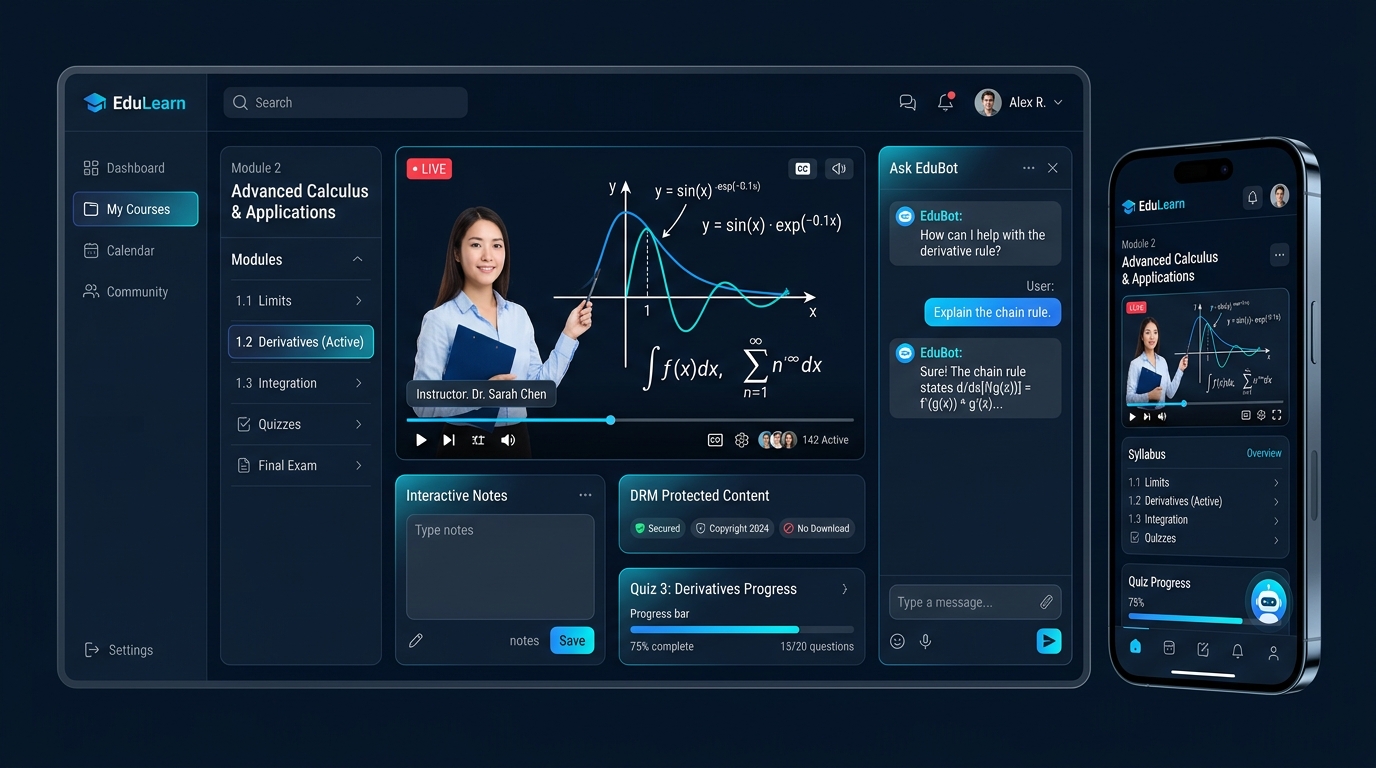
EduLearn Global
Interactive EdTech Platform & Virtual Classroom
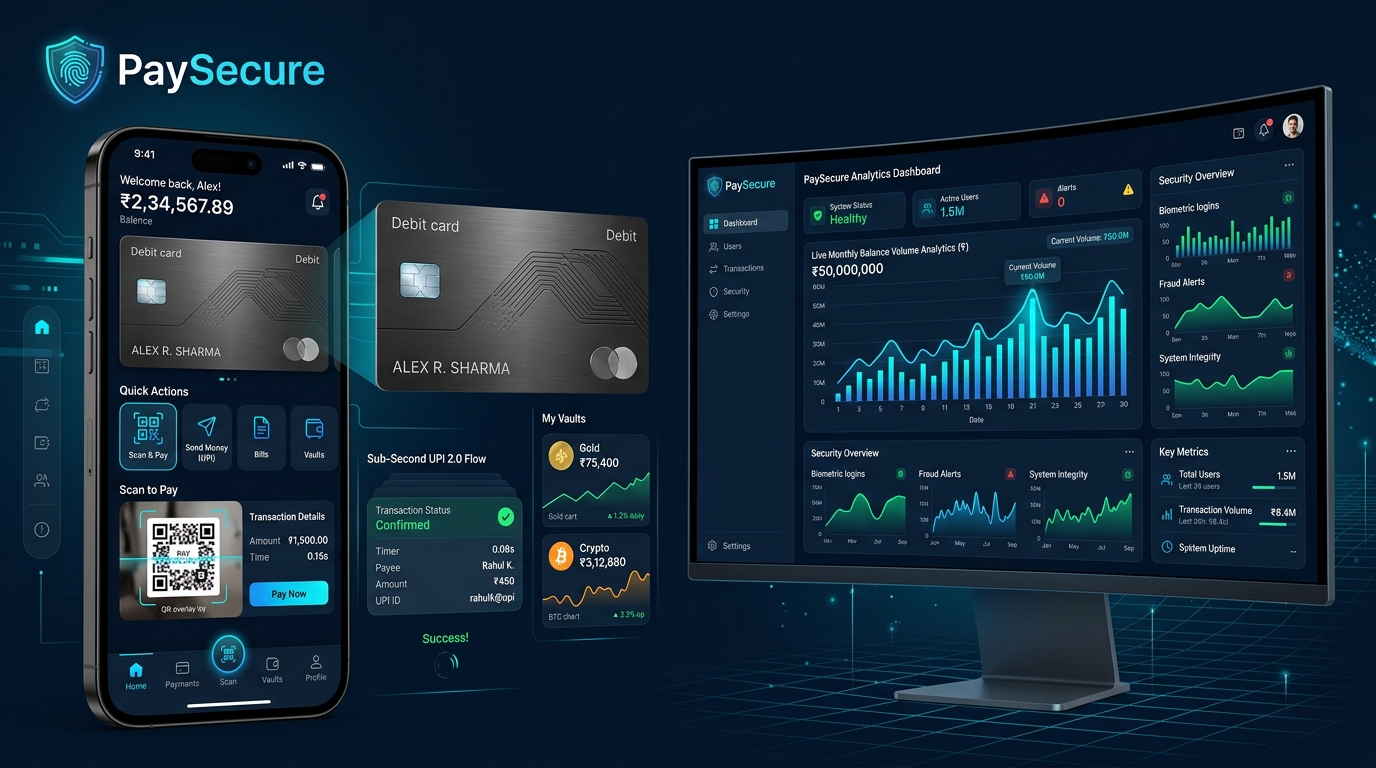
PaySecure Neo-Bank
RBI-Compliant Digital Neo-Banking & UPI Wallet App
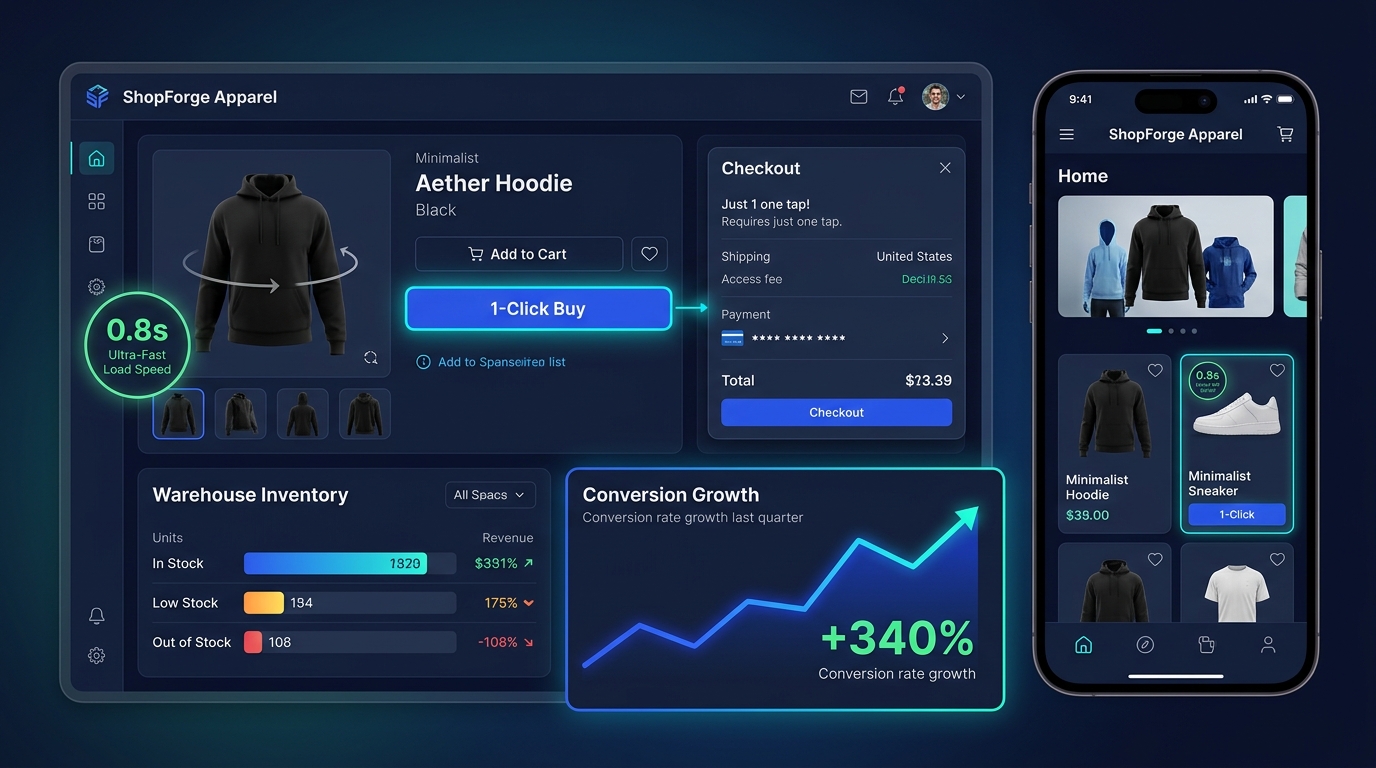
ShopForge Apparel
Multi-Store Headless Next.js E-Commerce Marketplace
Ready to Build Your Success Story?
Get a comprehensive architectural blueprint, technical milestone plan, and transparent fixed pricing estimate within 24 hours.