![How Much Does It Cost to Build an App in India? [2026 Complete Guide] Featured Banner](../assets/blog-app-cost.jpg)
1. Executive Summary: The True Economics of App Development in 2026
India has solidified its position as the premier global hub for high-velocity, cost-effective software engineering. Startups from Silicon Valley, London, Dubai, and Singapore partner with Indian engineering agencies to access top 1% architectural talent at approximately 25% to 35% of Western agency rates without compromising system stability, code maintainability, or UI polish.
In 2026, the cost to build a production-ready mobile app in India ranges from ₹2,50,000 ($3,000 USD) for an initial proof-of-concept MVP to ₹35,00,000+ ($42,000+ USD) for high-concurrency multi-sided marketplaces like Swiggy, Uber, or Zerodha.
| App Complexity Tier | Estimated Cost (INR) | Estimated Cost (USD) | Typical Timeline | Example App Type |
|---|---|---|---|---|
| Basic MVP / Prototype | ₹2.5 Lakhs – ₹5.5 Lakhs | $3,000 – $6,500 | 4 – 7 Weeks | Single-city directory, appointment scheduler, habit tracker |
| Medium Complexity | ₹6 Lakhs – ₹14 Lakhs | $7,200 – $16,800 | 8 – 14 Weeks | E-commerce store, real-time messaging, fitness tracking with IoT |
| High Complexity Marketplace | ₹15 Lakhs – ₹28 Lakhs | $18,000 – $33,500 | 14 – 20 Weeks | On-demand dispatch (Uber clone), multi-vendor retail, LMS |
| Enterprise FinTech / AI / MedTech | ₹30 Lakhs – ₹50 Lakhs+ | $36,000 – $60,000+ | 20 – 32 Weeks | UPI Neo-bank, HIPAA telemedicine EHR, autonomous RAG copilot |
2. Feature-by-Feature Cost Breakdown & Engineering Scope
Every mobile app is constructed from modular architectural components. Understanding the engineering hours required for each module allows founders to make informed scope trade-offs during early MVP planning:
| Core Application Module | Engineering Complexity | Dev Hours | Cost Range (INR) |
|---|---|---|---|
| User Auth & Biometric Security | Phone OTP (Twilio/Firebase), Google/Apple Sign-In, FaceID | 35 – 50 hrs | ₹45,000 – ₹70,000 |
| Interactive Map & Geolocation Routing | Live driver tracking, Mapbox GL vector tiles, geofencing alerts | 60 – 95 hrs | ₹85,000 – ₹1,40,000 |
| Payment Gateway & UPI 2.0 Switch | Razorpay, Stripe, Cashfree, Webhook reconciliation, GST invoicing | 40 – 65 hrs | ₹55,000 – ₹95,000 |
| Real-Time Chat & WebSockets Mesh | Redis Pub/Sub, typing indicators, media uploads via S3, push alerts | 70 – 110 hrs | ₹95,000 – ₹1,65,000 |
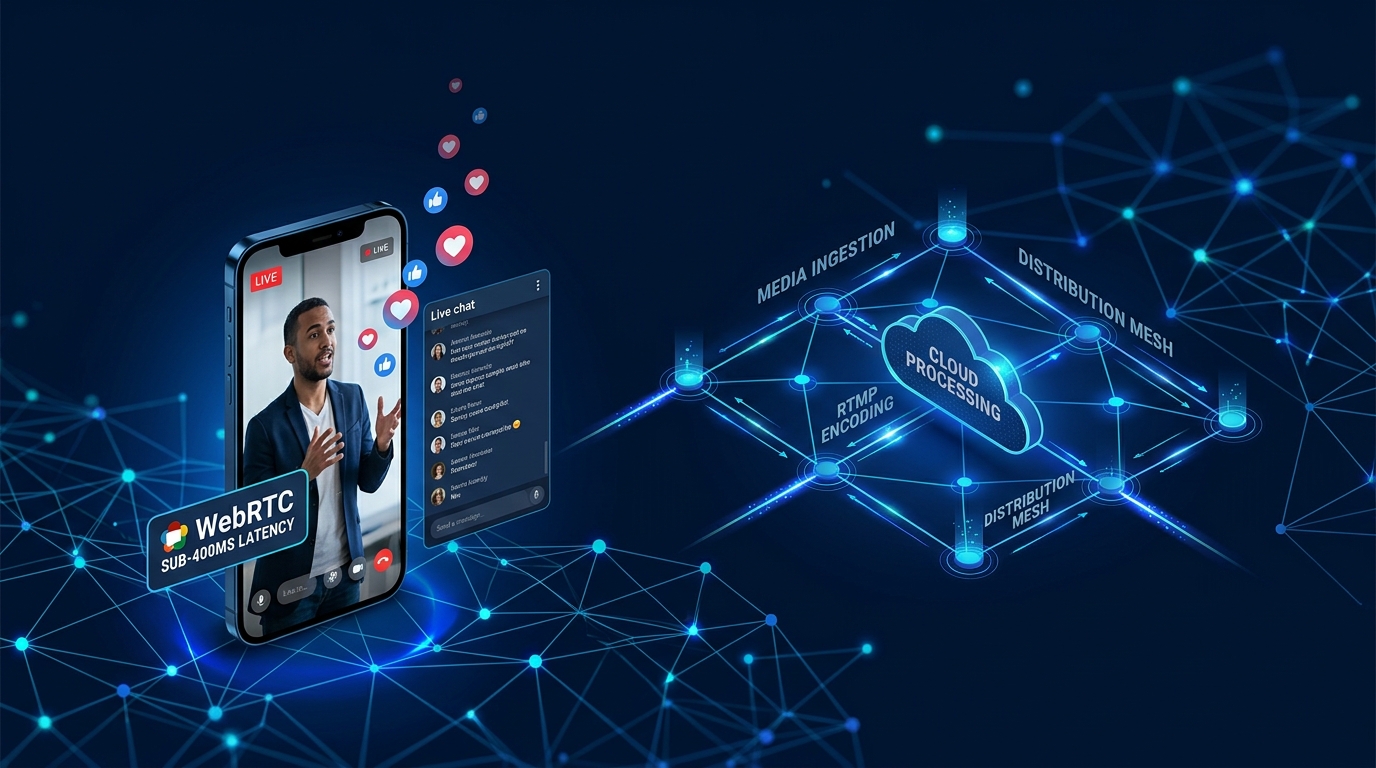
| Live Video Streaming / WebRTC | Sub-400ms video mesh, FFmpeg adaptive bitrate ladders, tokenized DRM | 120 – 200 hrs | ₹1,80,000 – ₹3,20,000 |
| Admin Panel & Analytics BI Dashboard | User role management (RBAC), automated exports, revenue heatmaps | 80 – 140 hrs | ₹1,10,000 – ₹2,10,000 |
3. Cross-Platform (Flutter) vs Native (Swift/Kotlin): The Financial Equation
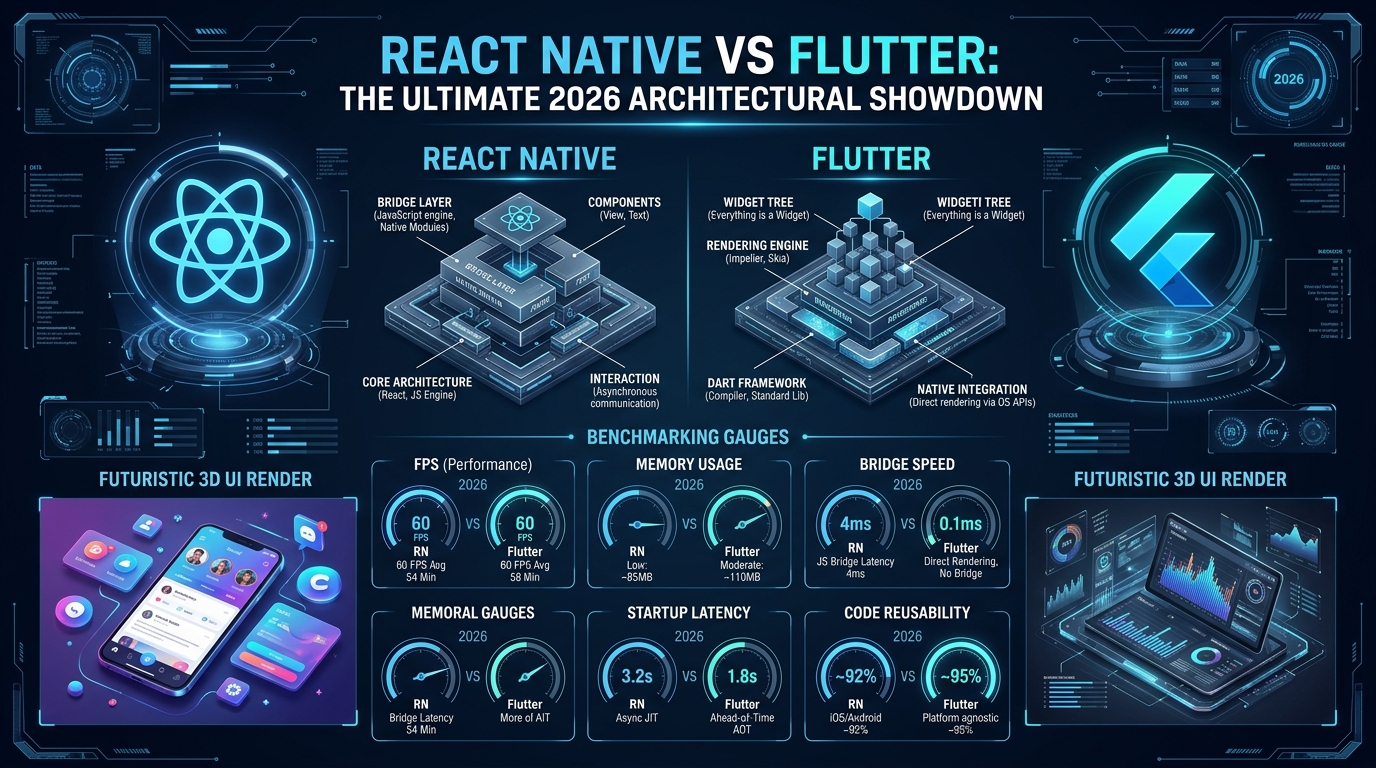
Historically, founders were advised to hire separate Swift (iOS) and Kotlin (Android) engineering pods. In 2026, cross-platform engineering has rendered dual native teams obsolete for 95% of commercial applications.
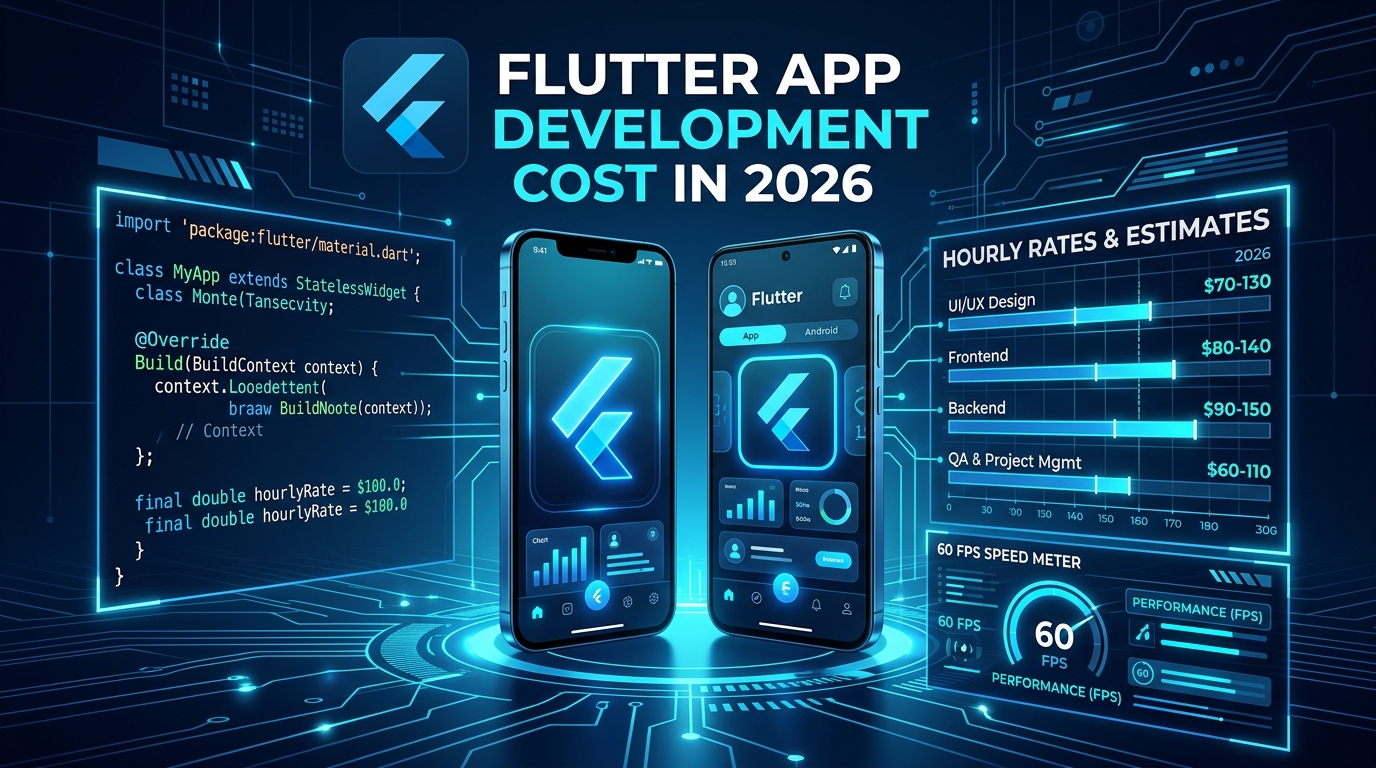
Frameworks like Flutter with the Impeller rendering engine compile ahead-of-time (AOT) to native ARM machine code, achieving stable 60 FPS and 120 FPS animations without shader compilation jank. Choosing Flutter saves 40% to 50% in total development and QA testing costs while ensuring synchronized Apple App Store and Google Play Store release dates.
4. Ongoing Operational & Cloud Maintenance Costs (Post-Launch)
Budgeting only for initial development is a classic startup pitfall. Founders must plan for ongoing operational expenses, typically 15% to 20% of the initial development cost annually:
- Cloud Compute & Database Hosting: AWS / DigitalOcean / Supabase instances scaling from ₹3,500/month (MVP) to ₹45,000/month (100K active users).
- App Store Developer Accounts: Apple Developer Program ($99/year) and Google Play Console ($25 one-time registration).
- Third-Party Transactional APIs: SMS OTPs (~₹0.20/SMS), WhatsApp Cloud API (~₹0.70/conversation), and Maps API tiles.
- OS Compatibility & Security Patches: Updating SDKs and libraries for major iOS and Android releases annually.